An Advanced System Architecture Breakdown of OpenAI's Jalapeno Accelerator
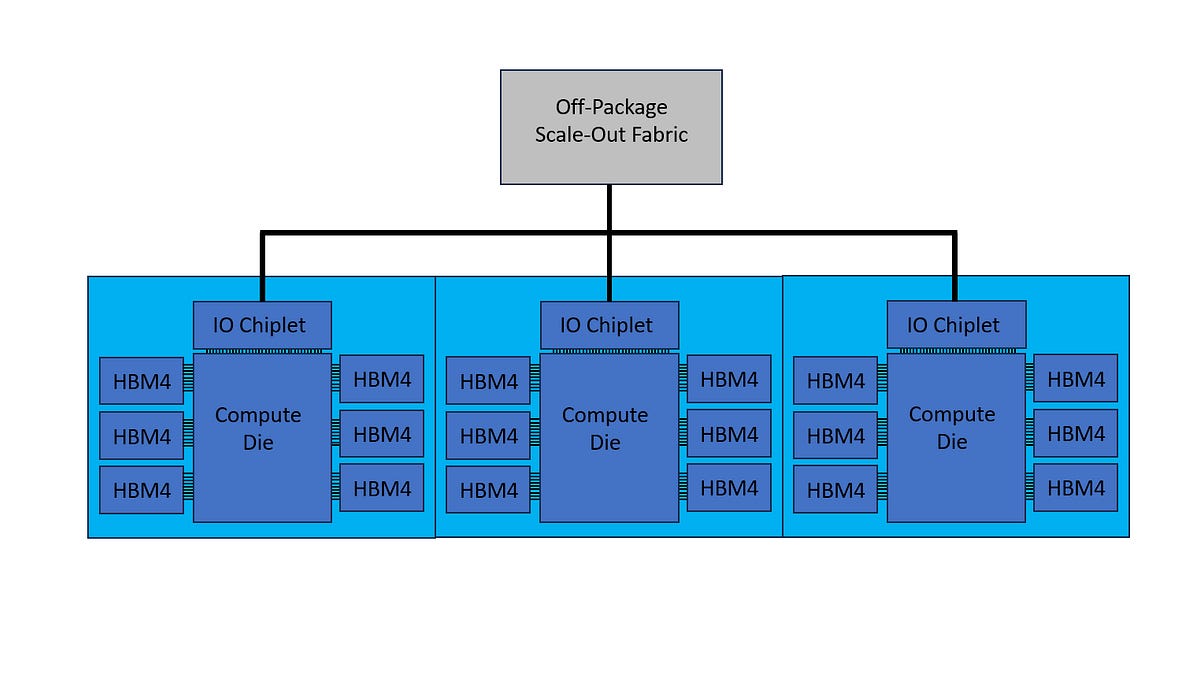
At the end of the Hot Chips 2026 conference, OpenAI presented their chip architecture, Jalapeno. Jalapeno is a general purpose AI inference accelerator designed primarily for OpenAI’s workloads but generalizable to frontier model workloads.
Most commentators will look at the headline and think OpenAI built a magic black box that replaces GPUs overnight. This couldn’t be further from the truth. There is a rich set of system architecture tradeoffs and design methodology improvements that went into the chip design.
This post is an advanced case study into Jalapeno based on their presentation deck and related material. I will cover the entire architecture, including what motivated it, what tradeoffs and alternatives were likely considered by their leadership , and how AI added value:
Theoretical Memory Roofline is Higher than User Token Throughput
Unpredictable Workload Characteristics between Prefill, Speculate, and Decode
Alternative Architectures (2-Tier Fat-Tree, 3D/4D Direct Torus / Mesh Network, and Dragonfly)
🔒Three Major Agentic Coding Paradigms to Assist in Chip Design
After writing this post, I wonder whether AI should be best tailored to enhance the steps within the current “waterfall” chip design methodology or enable a more iterative methodology. Throughout this design, OpenAI leveraged an open source tool Google XLS that aided in block level optimization for PPA and formal verification leveraging their frontier models.
Google XLS had its benefits in contributing to a shorter timeline, but I think the iterative, cross-domain (and often messier) nature of work is perhaps the more significant factor.
Prior to Hot Chips, I studied the architecture of data centers from the ground up by attended five technical conferences. You will see several of my deep dives scattered throughout this post that form the basis of various cross-domain effects discussed here.
After DAC, I wrote a deep dive on how AI is currently employed in Chip Design. I recommend you read this and a primer on the fundamentals of AI accelerators.
As always, if you’re an expert and notice a mistake in this article, please reach out to me so I can have it promptly corrected.
Silicon Co-Design is a reader-supported publication.